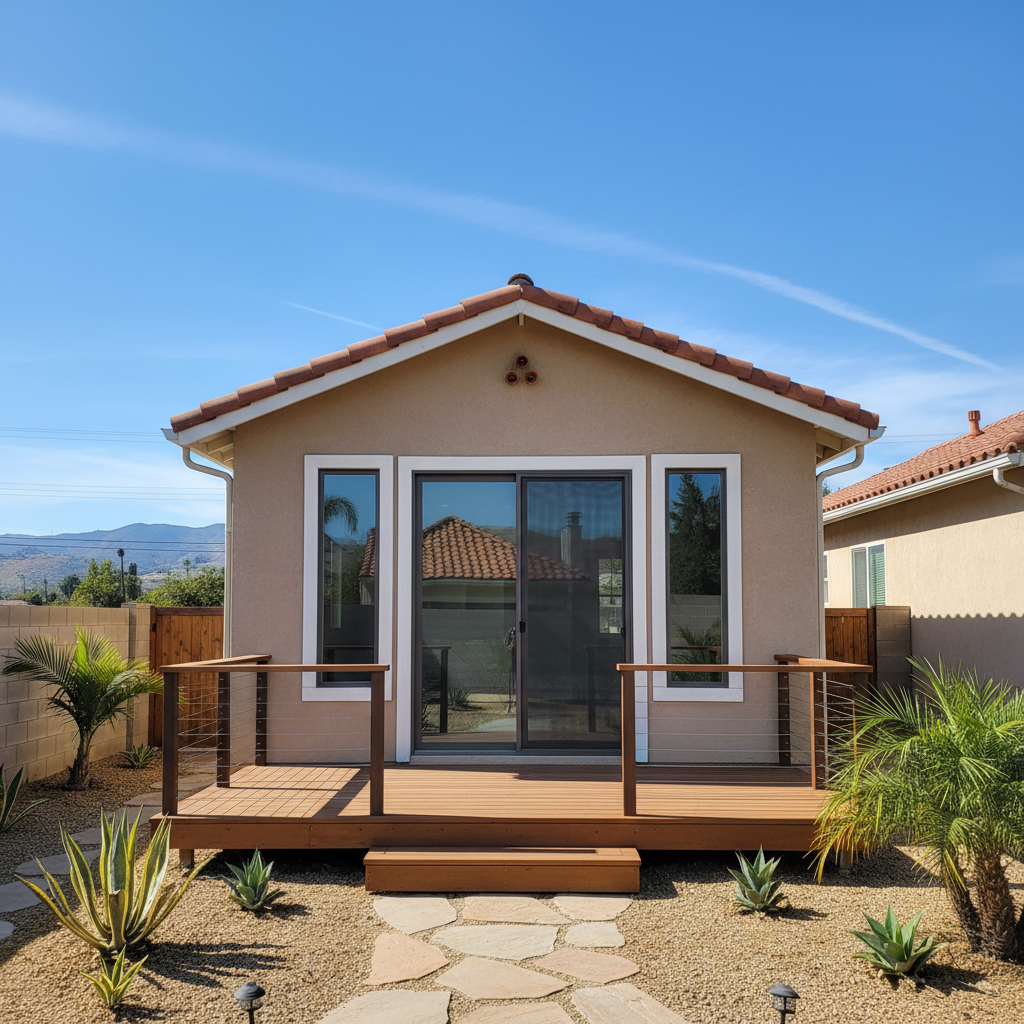
Finding the Right ADU Contractor in Chula Vista: My Take
Building an ADU? That's a pretty big deal. It's a significant chunk of change, and obviously, you want the job done right. I've been in this business for years, and let me tell you, I've seen homeowners make some brilliant choices — and some real head-scratchers — when it comes to picking a contractor. You're not just hiring someone to swing a hammer, you know? You're bringing on a partner for what can be a pretty complex project. So, how do you actually make sure you're getting someone honest, capable, and someone you can trust?
What to Ask Potential ADU Contractors
Okay, so you've got them on the phone, or maybe they're sitting right across from you. Don't just let them ramble. You need to hit them with the tough questions. Here’s exactly what I'd want to know if I were in your shoes:
"How many ADUs have you actually built in Chula Vista?" This isn't just about general construction experience, and that's a key distinction. ADUs come with their own specific rules, especially here in California. You really need someone who knows the ins and outs of Chula Vista's planning department, what the city specifically requires, and how the local inspectors operate. If all they've done is kitchen remodels, well, that's a completely different ballgame.
"Can you walk me through your typical ADU project timeline, from the initial design all the way to the final inspection?" A good contractor will have a clear process. They should be able to explain each step, who's responsible for what, and what you can expect at every stage. This really shows they're organized and experienced.
"Who will be my main point of contact throughout the project?" You definitely don't want to be calling three different people just to get an answer. There should be one person, usually the project manager, who you can always reach.
"What kind of warranty do you offer on your work?" Any reputable contractor will stand behind what they build. Get them to give you the specifics: what's covered and for how long.
"How do you handle changes or unexpected issues during construction?" Things come up. It's construction, after all. A good contractor has a clear process for change orders and communicates them openly, not just springs them on you out of the blue.
"Can I speak to some of your previous ADU clients?" References are gold, pure gold. Don't just take their word for it; actually talk to people who've worked with them before.
Decoding the Quote: What to Look For
You'll probably get a few quotes, and chances are they'll all look a bit different. Don't just compare the total at the bottom. You need to really understand what you're paying for.
Detail, detail, detail: A good quote isn't just one big number. It breaks down costs for design, permits, the foundation, framing, electrical, plumbing, finishes, and so on. The more detailed it is, the better. That tells you they've really thought through the whole project.
Allowances vs. Fixed Costs: Keep an eye out for 'allowances.' These are estimates for things like light fixtures, flooring, or cabinets, where you'll pick the exact items later. Make sure these allowances are realistic for your taste and budget. If an allowance looks too low, you're probably going to go over budget later on.
Inclusions and Exclusions: What's specifically included? What's specifically *not* included? For example, does it cover restoring your landscaping? Digging utility trenches? Site cleanup? Don't assume anything. If it's not written down, it’s not part of the deal.
Payment Schedule: How are payments structured? A sensible schedule usually includes an initial deposit, then payments tied to specific milestones (like when the foundation is complete, or the framing is up), and a final payment after everything's done and inspected. Be very wary of any contractor who asks for a huge payment upfront.
Red Flags You Can't Ignore
Always trust your gut, but also keep an eye out for these concrete warning signs:
No License or Insurance: This is a deal-breaker, absolutely non-negotiable. If they don't have a current contractor's license (check it on the CSLB website, please) and proper insurance (liability and workers' comp), just walk away. You'd be opening yourself up to massive risks.
Cash-Only Deals: Anyone who insists on cash payments or offers a big discount for cash is likely trying to duck taxes or insurance. Don't even think about it.
High-Pressure Sales Tactics: "Sign today or the price goes up!" or "I had a cancellation, so I can start next week if you commit now!" Good contractors are usually busy; they don't need to pressure you like that.
Vague Contracts: If the contract is short, lacks detail, or uses confusing language, that's a problem. Everything should be crystal clear and in writing.
No References or Bad References: If they can't give you references, or the ones they do provide offer lukewarm reviews, that's a major red flag. Period.
Promises of Unrealistic Timelines or Prices: If one quote is way lower or promises a much faster completion than everyone else, be very, very skeptical. They're probably cutting corners or will hit you with a ton of change orders later.
Verifying Legitimacy: Do Your Homework
You've just got to do your due diligence. It's not being paranoid; it's being smart.
Check the California Contractors State License Board (CSLB): Go to cslb.ca.gov. You can search by license number or the contractor's name. Verify their license is active, in good standing, and that they don't have any disciplinary actions against them. Make sure their insurance is current, too.
Online Reviews: Check Google, Yelp, Houzz, and other platforms. Look for patterns in the reviews – both the good and the bad ones. Don't just dismiss a few negative comments, but see how the contractor actually responded to them. A local business like Primetime ADU really prides itself on its reputation, so we definitely keep an eye on these things.
Permit History: In Chula Vista, you can often look up permit history for specific addresses. Ask the contractor for addresses of past projects (with their client's permission, of course) and then see if they pulled permits correctly and if the projects passed inspection. This tells you if they play by the rules.
Physical Address: Do they have a real office, or just a P.O. Box? A legitimate business usually has an actual physical presence.
Look, building an ADU is exciting. You're adding value to your property, maybe getting some rental income, or creating space for family. But don't let that excitement blind you to the practicalities of hiring. Take your time, ask all the right questions, and don't settle for anything less than a contractor who's transparent, experienced, and completely legitimate. It'll save you a whole lot of headaches down the road.