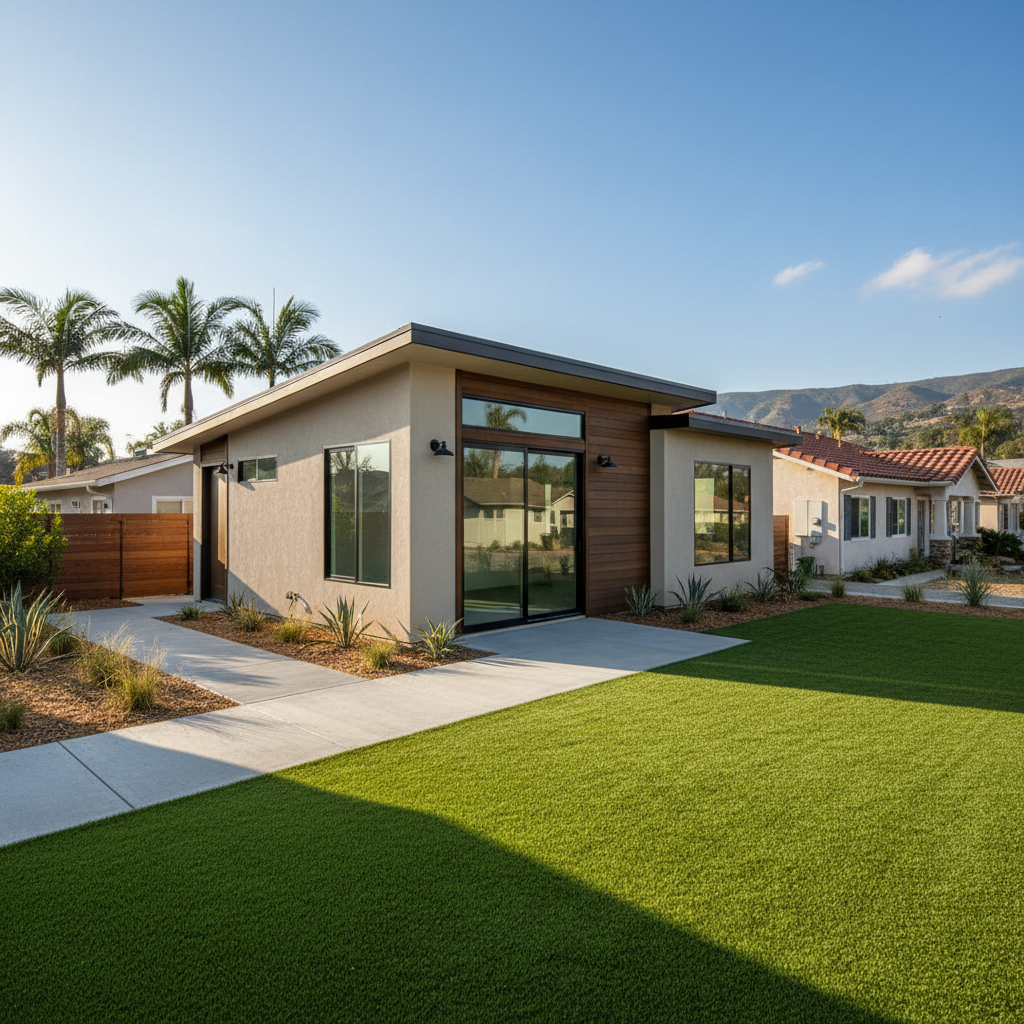
So, you've got yourself an ADU. Maybe it's for family, maybe it's for rental income, but either way, it's a pretty big investment in your property. Just like your main house, or even your car, it's not a 'build it and forget it' situation. You've really got to take care of it if you want it to take care of you. I've seen too many folks let small issues become big, expensive headaches just because they didn't keep up with the basics. Let's talk about how to keep your Chula Vista ADU humming along for years.
Extending Your ADU's Lifespan: It's All About the Details
The biggest thing you can do to make your ADU last longer is simple: don't ignore the little stuff. A tiny leak today can turn into a huge mold problem tomorrow. And a loose shingle? That's not just cosmetic; it's practically an invitation for water damage. Think about the materials we use here at Primetime ADU – we pick quality stuff, but even the best materials need a little love, you know?
- Good Drainage is King: This is super important, especially with our occasional heavy rains after those long dry spells. Make sure your gutters are clear, downspouts push water away from the foundation, and the ground around your ADU slopes away from the building itself. Water pooling near the foundation is a death sentence for any structure.
- Change HVAC Filters Regularly: Your heating and cooling system works hard in our climate, flipping from warm days to cool nights. A dirty filter makes it work harder, uses more energy, and wears it out faster. So, change those filters every 1-3 months, depending on how much you use it and if you have pets.
- Sealant Maintenance: Check around windows, doors, and any spots where things poke through the exterior walls (like vents or pipes). Our strong sun and temperature swings can dry out and crack caulk and sealants. Re-caulk as needed to keep water and pests out.
- Paint and Siding Protection: The sun here in Chula Vista can be brutal on exterior finishes. Keep an eye on your paint or siding. If it's fading, cracking, or peeling, you need to deal with it. It's not just about curb appeal; it's about protecting the stuff underneath from moisture and UV damage.
What Regular Maintenance Looks Like
Think of it like a routine check-up. You don't wait until you're sick to see the doctor, right? Same goes for your ADU.
- Monthly Checks: A quick visual inspection. Look for leaks under sinks, around toilets, and where the water heater connects. Check smoke detectors and carbon monoxide alarms. Clear out any debris from around the foundation.
- Quarterly Checks: Clean HVAC filters (if you don't do it monthly). Check for pest activity – ants and spiders really love our climate. Trim back any plants that are touching the ADU's exterior.
- Bi-Annual Checks (Spring and Fall): Clean gutters and downspouts thoroughly. Inspect the roof for damaged or missing shingles, especially after any strong winds. Check exterior paint/siding for wear. Test all GFI outlets.
- Annual Checks: Get your HVAC system professionally serviced. Check the attic and crawl space (if you have them) for signs of leaks, pests, or mold. Inspect weatherstripping around doors and windows.
Warning Signs You Can't Ignore
Your ADU will tell you when something's wrong, if you're paying attention. Don't brush these off:
- Water Stains or Discoloration: On ceilings, walls, or floors. This is a big one. It almost always means a leak.
- Musty Odors: Especially in bathrooms, kitchens, or laundry areas. That's usually mold or mildew, and it needs to be dealt with quickly.
- Cracks: In the foundation, walls, or around windows/doors. Small hairline cracks might be normal settling, but anything larger or growing definitely needs a look.
- Unusual Noises: From plumbing (clanking, banging), HVAC (squealing, grinding), or electrical (buzzing, flickering).
- Higher Utility Bills: If your energy usage suddenly jumps without you changing your habits, it could point to insulation problems, HVAC issues, or leaky windows/doors.
- Pest Infestations: Termites, especially, are a constant threat in our region. If you see signs, don't wait.
- Sagging or Uneven Floors/Roofs: This is a structural red flag.
I've seen homes in older Chula Vista neighborhoods, especially those built on expansive clay soils, show foundation issues if water management isn't spot on. So, really, pay attention to that drainage!
When to Call a Professional
Look, I'm a contractor. I appreciate a good DIY spirit, but some things are just beyond what the average homeowner can handle, or frankly, too risky. Here's when you should pick up the phone:
- Any Electrical Issues: Flickering lights, outlets not working, burning smells. Don't mess with electricity. It's dangerous.
- Major Plumbing Leaks: If you've got a burst pipe or a persistent leak you can't find or fix, call a plumber. Water damage is expensive.
- HVAC Malfunctions: If your unit isn't heating or cooling effectively, or making weird noises, get an HVAC tech out there.
- Roof Damage: Unless you're an experienced roofer, climbing on a roof is dangerous, and improper repairs can make things worse.
- Foundation Cracks or Shifting: This is serious. Get a structural engineer or a foundation specialist to assess it.
- Persistent Pest Problems: If you've tried basic pest control and they keep coming back, you need a professional exterminator.
- Any Issue Beyond Your Comfort or Skill Level: Seriously, don't be a hero. It's cheaper in the long run to call a pro than to fix a botched DIY job.
Your ADU is a valuable asset. A little regular attention and knowing when to call in the cavalry will ensure it serves you well for many, many years to come.