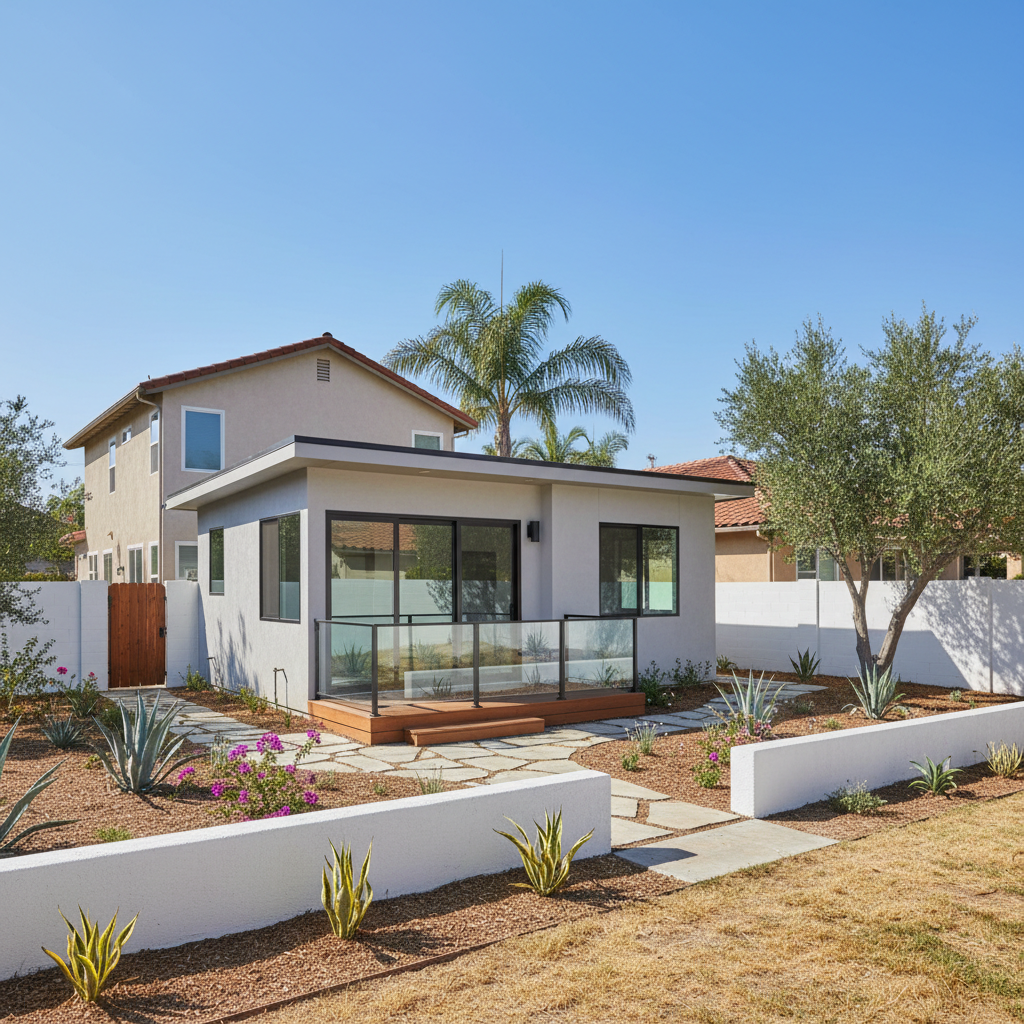
Alright, so you're thinking about adding a Junior ADU (JADU) to your Chula Vista home. That's a smart move, no doubt, whether it's for family, rental income, or just making better use of your space. But let's be real, diving into a construction project can feel like a lot. I've seen it firsthand, and I want to give you the straight scoop on what to expect, how to get ready, and what you absolutely need to nail down before you sign on the dotted line.
Understanding the JADU Timeline: It's Not a Sprint
Look, anyone who tells you a JADU project is a quick weekend job is selling you a fantasy. There are a lot of moving parts, and patience is key. Here's a general breakdown of what I usually tell folks:
- Initial Planning & Design (1-3 months): This is where you figure out what you want, how it'll fit on your property, and get some preliminary drawings. You'll work with a designer or architect to get your ideas down on paper. This phase can take longer if you're really particular or if there are tricky site conditions, like a sloped yard.
- Permitting (2-6 months, sometimes more): This is often the biggest variable, especially with Chula Vista's specific requirements. You've got to submit plans to the city; they review them, ask for changes, then you resubmit, and so on. It's a back-and-forth process. Don't underestimate this part. I've seen permits sail through in a couple of months, and I've seen them get bogged down for half a year, especially if you're dealing with older homes that might have unexpected issues pop up during review, like needing updated seismic calculations.
- Construction (3-6 months): Once you have permits in hand, the actual building starts. This includes demolition (if needed), foundation work, framing, rough-ins (plumbing, electrical, HVAC), insulation, drywall, finishes, and final inspections. The size and complexity of your JADU will dictate how long this takes. A simple conversion of an existing bedroom into a JADU will be on the shorter end; adding a new bathroom and kitchenette will naturally take longer.
- Final Inspections & Occupancy (2-4 weeks): After construction wraps up, the city inspectors come out one last time to make sure everything meets code. Once you pass, you get your Certificate of Occupancy, and you're good to go.
So, from start to finish, you're realistically looking at 8 to 15 months. Don't let that scare you; it's just the reality of building anything right and legally in California.
What to Expect During the Process
You're going to have people on your property. A lot of people, at different times. There will be noise, dust, and sometimes, things won't look pretty. That's construction, plain and simple. Here's what else you should prepare for:
- Communication is constant: Your contractor should be talking to you regularly. There will be questions about materials, unexpected site conditions, and scheduling. Be ready to make decisions.
- Inspections, inspections, inspections: The city will be out at various stages – foundation, framing, electrical, plumbing, insulation, and final. Each one has to pass before work can move forward. This is normal and ensures everything is built to code.
- Unexpected issues: We try to anticipate everything, but sometimes you open up a wall and find old plumbing that needs replacing, or electrical that isn't up to current code. These things happen, and they can add time and cost. A good contractor will bring these to your attention immediately with solutions.
- Your routine will be disrupted: Especially if the JADU is attached to your main house, you'll feel the impact. Plan for some inconvenience, especially during the noisier phases like demolition or framing.
How to Prepare Your Home and Yourself
Getting ready isn't just about clearing out a space; it's about mental preparation too.
- Clear the area: Obvious, right? But make sure the space where the JADU will be is completely empty. If it's a bedroom, move all your stuff. If it's part of a garage, get everything out.
- Protect your belongings: Dust gets everywhere. Cover furniture, seal off doorways with plastic sheeting, and move anything valuable or sentimental away from the construction zone.
- Talk to your neighbors: Give them a heads-up. Let them know there will be noise and workers. A little courtesy goes a long way in keeping neighborly relations good during a construction project.
- Set up a temporary living situation if needed: If the JADU project is going to significantly impact your living space, think about whether you'll need to stay elsewhere for a bit, especially during phases like re-piping or electrical work that might cut off utilities temporarily.
- Budget for contingencies: I always tell clients to have 10-15% of the project cost set aside for unforeseen expenses. It's rare that a project goes exactly to plan without any surprises.
Questions to Ask Before Signing a Contract
This is crucial. Don't rush this part. You're making a big investment, and you need to be confident in your contractor. Here are some questions I'd want to know if I were in your shoes:
- What's your experience specifically with JADUs in Chula Vista? We've got our own quirks here. Someone who knows the local planning department, the inspectors, and even the soil conditions (like the expansive clay often found in Eastlake) is going to be more efficient.
- Can I see examples of your JADU work, and can I talk to past clients? Photos are good, but talking to someone who's been through the process with them is gold.
- How do you handle change orders? What's the process if we want to change something or if an unforeseen issue comes up? You need to know this upfront. A clear process for changes keeps things transparent and prevents arguments later.
- What's included in the bid, and what's explicitly NOT included? Get everything in writing. Don't assume anything. Is landscaping included? Appliance installation? Trash removal?
- What's your communication plan? How often will we talk, and through what channels? You want a contractor who's accessible and responsive.
- What kind of warranty do you offer on your work? A reputable contractor stands behind their craftsmanship. At Primetime ADU, we make sure you're covered.
- What's your payment schedule? This should be tied to project milestones, not just arbitrary dates. You shouldn't be paying a huge chunk upfront.
- Who will be the primary point of contact for my project? You don't want to be bounced around between different people.
- Are you licensed and insured? Can you provide proof? This isn't just a good idea; it's non-negotiable. Protect yourself.
Building a JADU is a journey, not just a transaction. By understanding the timeline, preparing for the process, and asking the right questions, you'll be much better equipped to make it a smooth and successful one. It's your home; make sure you're comfortable with every step.