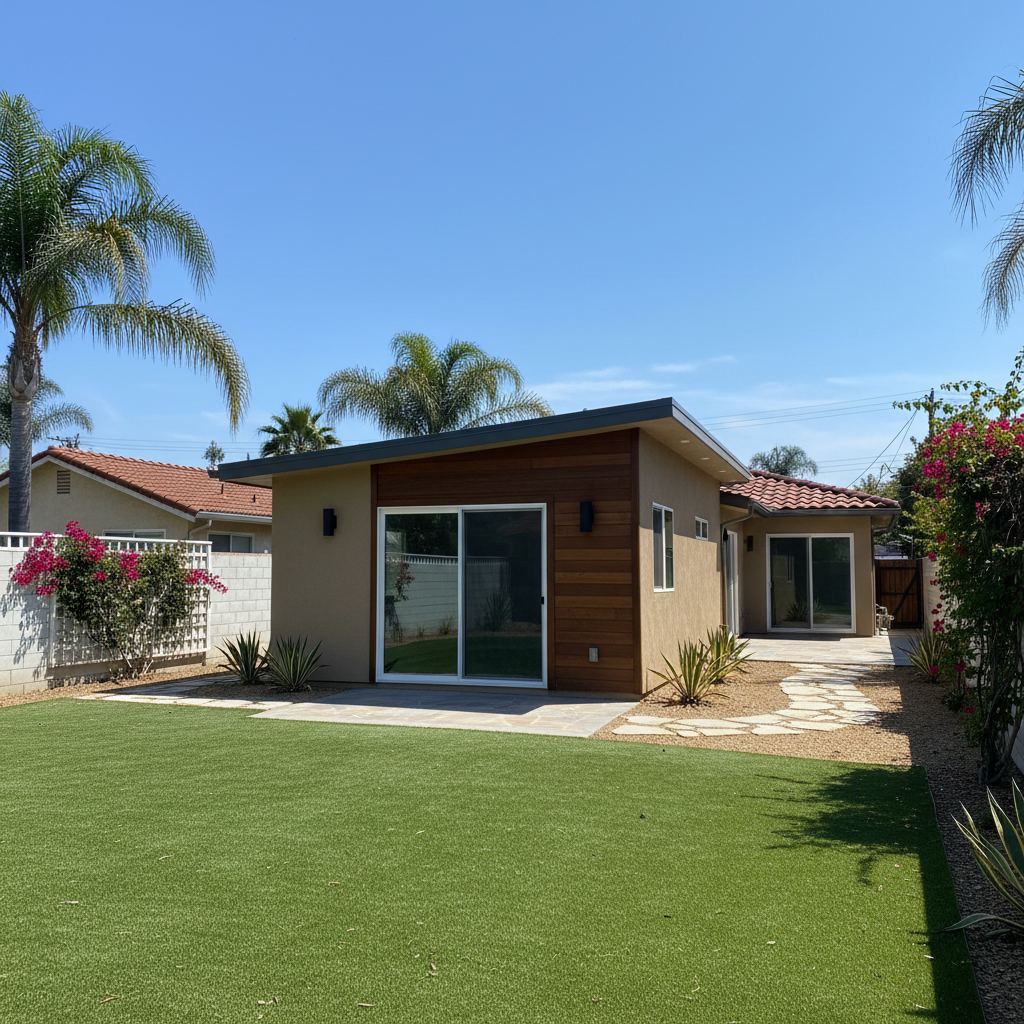
So, you've decided to build an ADU. Smart move, I say. Whether it's for family, some extra rental income, or just a bit more space, an ADU is a solid investment, especially right here in Chula Vista. But before you even think about breaking ground, you've got to find the right contractor. This isn't like hiring someone to paint a fence; we're talking about a significant construction project. You need someone you can trust, someone transparent, and frankly, someone genuinely good at what they do. I've been in this business a long time, and believe me, I've seen the good, the bad, and the downright ugly. Here's what I tell folks to keep an eye out for.
Questions to Ask Every ADU Contractor
When you're sitting down with potential builders, don't be shy. You're interviewing them, not the other way around. Their answers—and how they deliver them—will tell you a lot.
"How many ADUs have you built specifically in Chula Vista?" This isn't just about general experience, you know. Chula Vista has its own quirks, everything from specific permitting processes to dealing with that clay soil many properties have around the Eastlake area. Someone who really knows the local drill will save you a ton of headaches.
"Can you give me a detailed timeline, from start to finish?" A good contractor won't just give you a vague "a few months." They'll lay out phases: design, permitting, foundation, framing, finishes, inspections. Things can always shift a little, but they should absolutely have a clear plan.
"What's your process for handling change orders?" Things come up, it's just how construction goes. Maybe you change your mind on a fixture, or we uncover something unexpected behind a wall. How do they communicate these changes, get your approval, and adjust the cost and schedule? You want a clear, written process, not a handshake and a surprise bill later.
"Who will be my main point of contact?" You really don't want to play phone tag with five different people. You need one person who knows your project inside and out, someone who can answer your questions quickly.
"Can I talk to past clients and see some of your completed ADUs?" References are gold. And seeing their work in person? Even better, right? Don't skip this step.
"What kind of warranty do you offer on your work?" A reputable builder stands behind their craftsmanship. Get those warranty details in writing.
What a Good Quote Looks Like
You'll get quotes that vary wildly, trust me. Don't just pick the cheapest one; that's usually a recipe for disaster. A solid quote should be detailed, not just a single number.
Itemized Breakdown: It should list absolutely everything. Site prep, foundation, framing, roofing, plumbing, electrical, HVAC, insulation, drywall, flooring, cabinets, fixtures, painting, permits, cleanup. The more detail, the better. If it just says "construction: $X," well, walk away.
Material Specifications: The quote should specify the quality and type of materials. "Flooring" isn't enough; you want to see "LVP flooring, brand X, 12mm thick." This stops them from using cheaper materials later to cut corners.
Allowances: For things like light fixtures or appliances, there might be "allowances." This means they've budgeted a certain amount. If you pick something more expensive, you pay the difference. If it's cheaper, you get a credit. Make sure these allowances are reasonable, okay?
Payment Schedule: This needs to be crystal clear. Typically, it's a small deposit upfront, then progress payments tied to completed milestones (e.g., foundation poured, framing complete, rough-ins done, final inspection). Never pay a huge percentage upfront.
Inclusions and Exclusions: What's covered? What's not? Are they handling landscaping restoration? Utility connections? Make sure everything is spelled out so there are no surprises down the road.
Red Flags to Watch Out For
Some things should make you hit the brakes immediately.
Cash-Only Deals: "I can give you a better price if you pay cash." This is a huge red flag. It usually means they're trying to avoid taxes, insurance, or both. You'll have no paper trail and absolutely no recourse if things go south.
No Contract or Vague Contract: If they don't want to put everything in writing, or the contract is super short and lacks detail, run. A proper contract protects both of you, after all.
High Upfront Payment: More than 10-20% upfront is suspicious. They shouldn't need a huge chunk of your money just to get started.
Aggressive Sales Tactics: "This price is only good today!" or pressuring you to sign immediately. A reputable contractor will give you time to review their proposal, period.
No License or Insurance: This is non-negotiable. Always verify. I'll tell you how in a second.
No References or Bad References: If they can't provide any, or the ones they give you sound hesitant, that's a problem.
How to Verify Legitimacy
Don't just take their word for it. Do your homework. It takes five minutes and can save you thousands of dollars and endless headaches.
Check Their License: Go to the California Contractors State License Board (CSLB) website. You can search by license number or contractor name. Make sure their license is active, in good standing, and for the right classification (e.g., B-General Building Contractor). This is crucial, seriously. My company, Primetime ADU, is fully licensed and you can look us up anytime.
Verify Insurance: Ask for proof of liability insurance and workers' compensation insurance. Call their insurance provider directly to confirm the policies are active and cover your project. If a worker gets hurt on your property and they don't have workers' comp, you could be liable.
Online Reviews: Check Google, Yelp, Houzz, and other platforms. Look for patterns in positive and negative reviews. A few bad reviews aren't necessarily a deal-breaker, but consistent complaints about communication, quality, or budget overruns are a huge warning sign.
Local Building Department: Call the Chula Vista Building Department. Ask if the contractor has pulled permits for other projects in the city and if there have been any issues or complaints related to their work.
Hiring an ADU contractor is a big decision, but by asking the right questions, scrutinizing quotes, and doing your due diligence, you'll significantly increase your chances of a smooth project and a fantastic new ADU. Don't rush it. Take your time, do your research, and trust your gut.