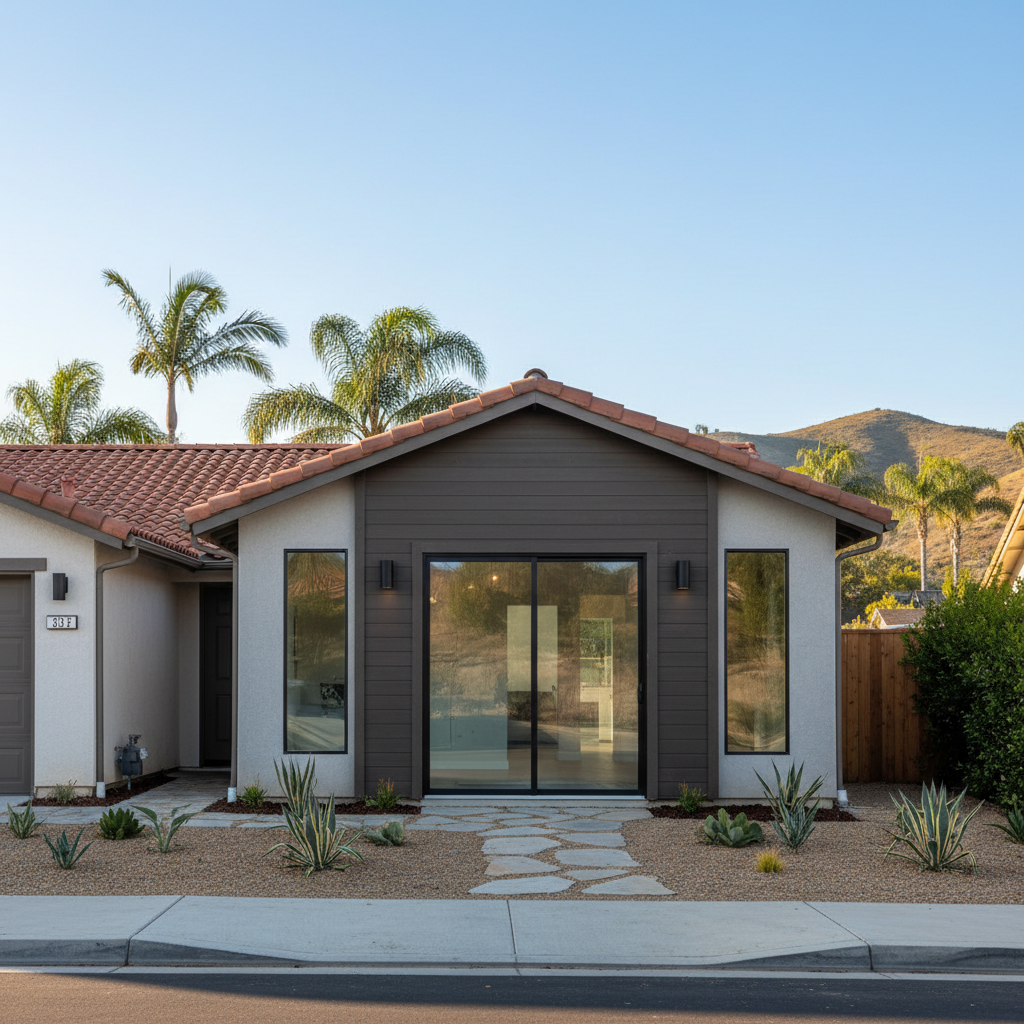
So, you're eyeing that dusty old garage and thinking, "Hmm, that could totally be an ADU!" It's a smart move, really. You add value to your property and get a lot more flexibility. But hold on a sec before you dive in. Let's talk about timing. Here in Chula Vista, when you schedule your garage conversion can actually make a big difference.
When's the Best Time to Kick Off Your Garage Conversion?
Honestly, there isn't one "perfect" month, but some windows are definitely better than others. We're lucky to have pretty mild weather here in Chula Vista, thank goodness. That means we don't have to shut down for months like folks up north. Still, even with all our sunshine, certain times just make for smoother construction.
- Spring (March - May): Often, this is ideal. The winter rains are usually behind us, and that super-hot summer weather hasn't hit yet. You get steady, moderate temperatures, which is fantastic for pouring concrete, framing, and those exterior finishes like stucco. Less rain also means fewer hold-ups for things that need to stay dry.
- Fall (September - November): Another excellent stretch. The summer rush for contractors starts to slow down a bit, and the weather's still gorgeous and predictable. You miss the peak heat and generally enjoy clear skies—just right for getting that shell built and sealed up before any potential winter sprinkles start.
- Summer (June - August): It's certainly doable, but you'll need to plan for the heat. Our Chula Vista summers, especially further inland towards Otay Ranch, can get pretty toasty. That means crews might start earlier, and you could see some slowdowns during the hottest parts of the day. Concrete does cure quicker in the heat, which is a plus, but you've got to manage it carefully to prevent cracking. Oh, and everyone wants work done in summer, so scheduling can get tighter.
- Winter (December - February): This is typically our rainy season. While we don't get torrential downpours every single day, even a few rainy days can stop exterior work cold. Digging foundations, pouring slabs, getting the framing up and the roof on—all these steps are vulnerable to rain. If your project gets stuck in a wet spell, you're looking at delays. We can work through a light drizzle, sure, but heavy rain? Nope, not safely or effectively.
How Weather Actually Impacts the Work
It's not just about keeping the crew comfortable; the weather directly affects the quality and how fast your conversion gets done.
Rain: This is the big one, no doubt about it. Foundations need dry soil. You can't pour concrete into standing water. Lumber has to stay dry to avoid warping and mold. If your garage is getting an addition or some serious structural changes, rain can be a real headache. We always tarp and protect things, but prolonged wet weather will definitely cause delays.
Heat: Like I mentioned, high temperatures impact how concrete cures. It can also make roofing work brutal and slow down exterior painting or stucco application. We adjust our schedules, of course, but extreme heat can absolutely be a factor.
Humidity: Not as dramatic as rain, but high humidity can slow down drying times for paint, drywall mud, and even some flooring adhesives. It's usually not a huge deal here, but it's something to keep in mind for those interior finishes.
Keeping Your Investment Safe Year-Round
Once your garage conversion is finished and you're enjoying that awesome new living space, you'll want to keep it in tip-top shape. Here's what I always tell people:
- Watch the Drainage: Always make sure water flows away from your new ADU's foundation. Check your gutters and downspouts regularly, especially before and after our winter rains. Clogged gutters are a super common cause of water problems.
- Sealants and Caulking: Our coastal climate, even with its mildness, can still wear down exterior sealants. Look around windows, doors, and any openings for cracks or gaps. Re-caulk as needed to stop water from getting in. This is extra important for stucco finishes.
- HVAC Maintenance: Your new ADU probably has its own heating and cooling, right? Get it serviced every year. Clean the filters, check refrigerant levels—it keeps the unit running efficiently and makes it last longer. You wouldn't want tenants or guests complaining about the AC in August, would you?
- Pest Control: Chula Vista definitely has its share of critters. Make sure your ADU is sealed up tight. Check for gaps under doors, around pipes, and vents. Regular pest control can save you a lot of headaches later on.
- Landscaping: If you added any plants or shrubs around the ADU, keep them trimmed back. Branches rubbing against the building can damage siding, and overgrown plants can trap moisture against the foundation.
Planning your garage conversion with our local weather in mind will save you time, money, and a whole lot of stress. At Primetime ADU, we've seen everything, and we're here to help you through the process smoothly, no matter the season. Give us a call when you're ready to start planning!