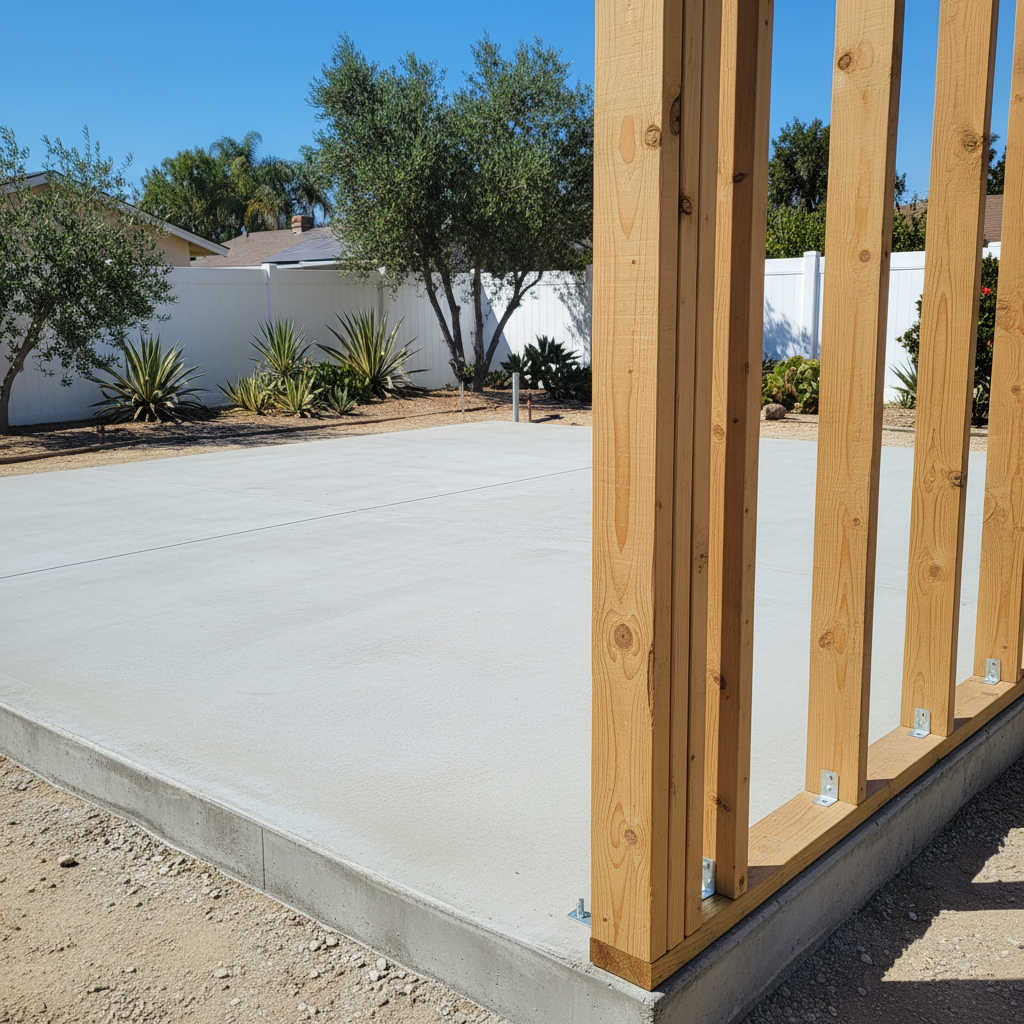
Before You Even Think About a Shovel: The Initial Look
So, you're kicking around the idea of adding an ADU to your Chula Vista property. Honestly, that's a smart move, especially with how housing prices are these days. But before you get totally swept up in design dreams and picking out fancy finishes, you absolutely, positively have to check out your site. This isn't just about what you *want*; it's about what's actually possible. What can your property truly handle? What are the limitations? You can tackle a lot of this initial legwork yourself, which, let's be real, saves you money and gives you a much clearer picture when you finally bring in the pros.
First things first, grab your property's plot plan. You probably got one when you bought the house, or you can usually snag a copy from the county recorder's office. This document? It's pure gold. It lays out your property lines, any existing structures, and, crucially, easements. Easements are a big deal – these are spots where utility companies or even your neighbors might have rights to get onto your land. You just can't build over them, simple as that. Mark them clearly on your plan. Also, pay attention to your setbacks. Chula Vista has specific rules about how close you can build to your property lines. These change depending on your zone, but generally, you're looking at 4-5 feet from the side and back, and a bit more from the front. Go out there with a tape measure and mark these out on your property; it really helps you get a feel for the usable space.
Next, think about access. How will construction materials and equipment actually get into your backyard? Can a mini excavator squeeze through your side yard gate? Or will every single thing need to be carried in by hand? This might seem like a small detail, but it can seriously bump up construction costs and stretch out timelines. If you've got a tight spot, your contractor definitely needs to know that upfront.
Digging Deeper: When to Call in the Experts
Once you've done your homework, you'll have a decent handle on the 'easy' stuff. But there's a whole lot you can't see, and that's exactly where the professionals come in. You'll absolutely need an expert for these next steps.
Topography and Drainage: Is your yard nice and flat? Awesome. Is it sloped? That's not necessarily a deal-breaker, but it does mean you'll need more complex foundation work and smarter drainage solutions. Water management is a huge deal here in Chula Vista, especially with our occasional heavy rains. You really don't want your new ADU sitting in a puddle or, worse, causing runoff problems for your neighbors. A civil engineer or even an experienced ADU contractor like Primetime ADU can help check out the grading and suggest the right solutions.
Soil Conditions: This is a major one. You can't just guess what's under your feet, you know? Here in Chula Vista, especially closer to the bay or in areas with older fills, you might run into expansive soils or even old landfill material. Expansive soils swell up when they get wet and then shrink when they dry out, which can really mess with foundations. A geotechnical engineer will come out, take soil samples, and give you a detailed report. This report tells your structural engineer exactly what kind of foundation your ADU needs – whether it's a standard slab, a raised foundation, or something more heavy-duty like caissons. Don't even think about skipping this step; it's non-negotiable for a stable, long-lasting structure.
Utilities: Where are your existing sewer, water, gas, and electrical lines? Can your current setup even handle the extra load of an ADU? You'll need to connect to these. Sometimes, you can get away with just extending existing lines, but other times, you might need to upgrade your electrical panel or run a whole new sewer lateral. A plumber and electrician can check out your current system and tell you what's doable and what upgrades are absolutely necessary. This is a big cost factor, so make sure you get solid estimates.
Trees and Landscaping: Got a big, beautiful tree right smack where you want to build? You might need an arborist. Chula Vista has rules about cutting down certain types of trees, and their root systems can also get in the way of foundations and utility lines. It's way better to find out early if that tree is going to be a problem or an expensive workaround.
After the Assessment: What's Next?
Once you've pulled all this information together – your plot plan marked with easements and setbacks, the geotech report, utility assessments – you're in a fantastic spot. You'll have a realistic grasp of what your property can do and what its limits are. This isn't just about getting permits; it's about building an ADU that's safe, follows all the rules, and won't give you headaches down the road.
This is when you can really start talking seriously with an architect and a contractor. You can hand them all this data, and they'll be able to give you far more accurate designs and bids. They won't be guessing, you see. They'll know exactly what they're dealing with. It makes the whole process smoother and helps you avoid costly surprises once construction actually begins. Think of it as laying the groundwork for a successful project. You wouldn't build a house on sand, right? A thorough site assessment is your bedrock.