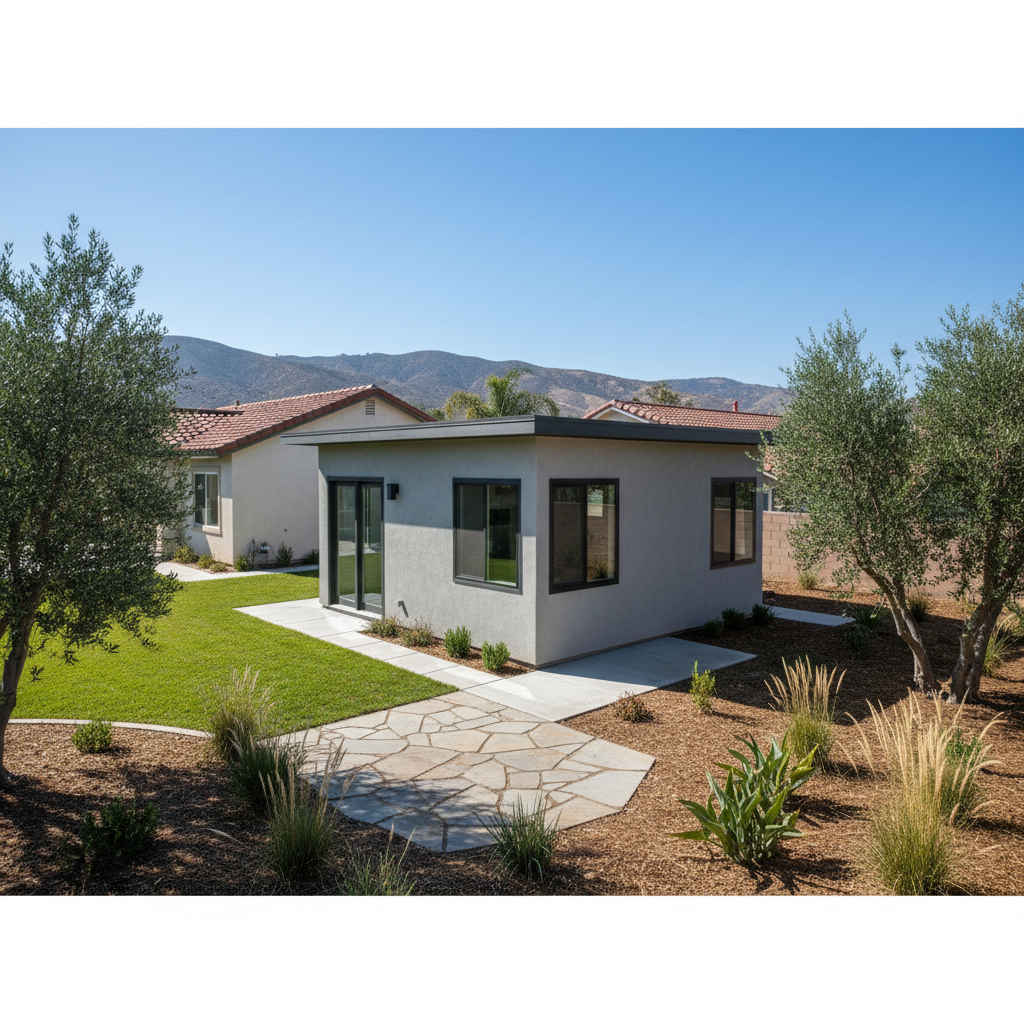
So, you've got an ADU. Maybe it's a brand-new build, or perhaps Primetime ADU helped you convert that old garage into something special. Either way, you've sunk some serious money into your property, and you definitely want it to last. That means thinking about maintenance, not just when something breaks, but as an ongoing part of owning the unit.
Think of it like your car, right? You don't just drive it until it dies; you change the oil, rotate the tires, and get it serviced regularly. Your ADU isn't much different. A little proactive attention goes a long, long way in extending its lifespan and preventing bigger, more expensive headaches down the road.
Extending Your ADU's Life: It's All About Proactivity
The best way to make your ADU last isn't some secret trick; it's consistent, thoughtful care. Here’s what I’ve seen make the biggest difference:
- Quality Materials Matter: This really starts during construction. If you began with good, durable materials – things like fiber cement siding instead of cheap vinyl, or high-quality roofing – you’re already ahead of the game. These materials naturally stand up to our coastal climate much better.
- Proper Drainage is King: Especially here in Chula Vista, where we can get those heavy winter rains after long dry spells, managing water around your foundation is absolutely critical. Make sure your gutters are clean and downspouts direct water well away from the ADU. If water pools near the foundation, you’re practically asking for trouble with cracks, moisture intrusion, and even structural issues over time.
- Regular Inspections: Don't just wait for a leak to show up. Walk around your ADU quarterly. Look at the roof, the siding, the foundation, windows, and doors. Catching small issues early is always the cheapest fix.
- Ventilation: Good airflow prevents moisture buildup, which is a big deal in our humid climate, especially near the bay. Make sure bathroom and kitchen fans are used and working correctly.
What Regular Maintenance Looks Like
This isn't rocket science, but it does require a schedule. Here's what you should be doing:
- Monthly: Check smoke and carbon monoxide detectors. Clean range hood filters. Look for any obvious leaks under sinks or around toilets.
- Quarterly: Clean gutters and downspouts. Inspect the exterior for cracks, peeling paint, or signs of pest intrusion. Check for proper drainage around the foundation. Test all GFCI outlets.
- Semi-Annually: Change HVAC filters (more often if you have pets or allergies, obviously). Flush your water heater to prevent sediment buildup. Inspect weather stripping around doors and windows – replace it if it’s cracked or brittle. Check your roof for loose or damaged shingles, especially after any strong winds or rain.
- Annually: Have your HVAC system professionally serviced. Inspect your attic (if you can get to it) for signs of leaks or pest activity. Check exterior paint and caulk; touch up or re-caulk as needed. Prune any trees or bushes that are too close to the ADU, stopping branches from scraping the roof or siding.
For those of you with older ADUs, especially if it was a garage conversion, pay extra attention to the original garage door opening. Even with proper framing and insulation, these areas can sometimes be prone to settling or moisture if they aren't sealed perfectly.
Warning Signs You Shouldn't Ignore
Your ADU will tell you when something's wrong, if you're listening. Here are some red flags:
- Water Stains: On ceilings, walls, or floors. This is an immediate alert. Find the source ASAP.
- Musty Odors: Especially in closets, bathrooms, or basements. This usually means mold or mildew, which points to a moisture problem.
- Cracks: Small hairline cracks in plaster or drywall are often just normal settling. But large, spreading cracks, especially in foundations or exterior walls, are serious.
- Peeling Paint or Bubbling Drywall: Another classic sign of moisture getting in.
- Sagging Floors or Ceilings: This indicates a structural issue that needs immediate attention.
- Pest Infestations: Termites love moisture and wood. Ants and rodents can find their way in through tiny cracks. Don't ignore them; they can cause significant damage.
- High Utility Bills: If your energy bills suddenly jump without a change in usage, it could be an insulation problem, leaky windows, or an inefficient HVAC system.
When to Call a Professional
Look, I'm a contractor, not a handyman. I know my limits, and you should know yours. Some things are DIY, but many aren't. Here's when you absolutely need to bring in a pro:
- Roof Leaks: Unless you're a roofer, this is best left to someone with experience and safety gear.
- Electrical Issues: Flickering lights, tripped breakers, burning smells – these are fire hazards. Call a licensed electrician.
- Plumbing Leaks (beyond a simple faucet drip): Especially if it's a pipe burst, a main line issue, or anything involving water pressure. A good plumber will diagnose and fix it right.
- Foundation Cracks: Any significant crack in your foundation needs a structural engineer or a foundation repair specialist to assess. Don't try to patch it yourself.
- HVAC Malfunctions: If your AC isn't cooling or your heater isn't heating, call an HVAC tech. They deal with refrigerants and complex systems, after all.
- Pest Infestations: If you've got termites, carpenter ants, or a persistent rodent problem, a professional pest control service is your best bet to eradicate them and prevent future issues.
- Major Structural Concerns: If you see sagging, bowing, or significant shifting, get an expert in there immediately.
Your ADU is an asset. Treating it with regular care and knowing when to call in the cavalry will ensure it serves you well for decades to come. It’s not just about fixing problems; it’s about protecting your investment and keeping it a comfortable, functional space.