Thinking Small Picture, Not Big Picture
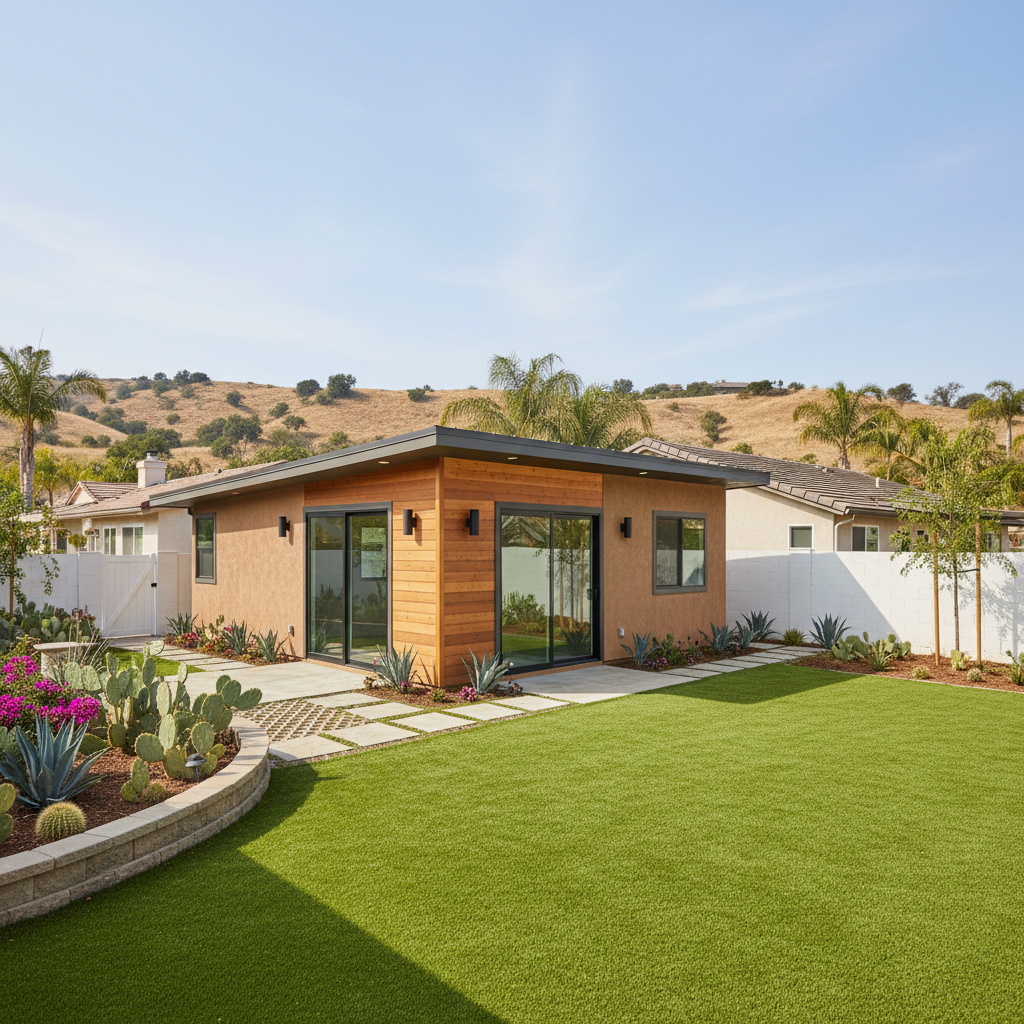
One of the biggest blunders I see homeowners make when they're diving into an ADU project is getting too hung up on just the immediate build cost, or just the square footage, without really thinking long-term. You're putting up an asset, not just a shed, right? So, what's its actual purpose? Is it for family, maybe some rental income, or a home office? How might that purpose shift in 5, 10, even 20 years? If you're building it for your aging parents now, will it still work as a rental later on? Or for your adult kids? Thinking about future flexibility in the design right from the start can save you a ton of headaches and money down the road. Don't just build for 'right now'; build for 'what if'.
Ignoring the Site's Quirks
Chula Vista isn't a one-size-fits-all kind of place, especially when it comes to your property. I've seen folks get super excited about a design they spotted online, only to find out it's a total nightmare for their specific lot. Maybe your backyard slopes way more than you first thought, or you've got a big, old tree that's going to cause issues. And what about sun exposure? Building an ADU that's baking in the afternoon sun without proper shading or insulation is a real mistake, particularly with our hot summers here. Or perhaps you're in a neighborhood like Eastlake, where some lots have tighter setbacks or specific HOA rules you need to consider from day one. You just can't plop a generic design down. Your site has its own personality, and your ADU needs to respect that. Any good designer or builder will tell you this upfront.
Skimping on Design & Plans
This one's a classic. Homeowners try to cut corners by getting super basic plans or even attempting to draw things up themselves to save a few bucks. Look, I get it, budgets are a real thing. But your design and plans are the blueprint for your entire project. If they're vague, incomplete, or just plain wrong, you're practically inviting change orders, delays, and cost overruns once construction starts. It's kind of like trying to build a house with a napkin sketch. A well-thought-out design, with detailed plans, actually anticipates problems before they turn into expensive fixes out on the site. It's an investment, not an expense. You wouldn't go into surgery with a doctor who's 'winging it,' would you? Same principle applies here.
Not Vetting Your 'Friends and Family' Contractor Enough
We've all got a buddy, or a cousin, or a neighbor who 'does construction.' And sometimes, they're truly great. But often, they're not licensed, insured, or experienced enough for an ADU project. An ADU isn't a small bathroom remodel; it's a significant construction project with lots of moving parts, permits, and inspections. Hiring someone just because they're cheap or you know them can lead to shoddy work, no warranty, and a huge mess if things go south. Always ask for references, check their license with the CSLB, and make sure they carry proper insurance. It protects you, and frankly, it protects them too. Don't let a personal connection cloud your judgment on a professional investment.
Ignoring Utility Connections Early On
Water, sewer, gas, electrical. These aren't just minor details; they're absolutely critical infrastructure. I've seen projects get completely stalled because homeowners didn't realize the cost or complexity of bringing new utility lines to their proposed ADU location. Maybe your main electrical panel isn't big enough to handle the extra load, or the sewer line is on the opposite side of the yard and needs a costly trench. These things need to be assessed and accounted for in the initial planning and budgeting phase, not as a surprise during excavation. A good contractor, like us at Primetime ADU, will look at these things early on and give you a realistic picture.
Getting Caught Up in Trends Over Function
It's easy to get swept up in the latest design trends you see on Instagram or HGTV. Open shelving, specific tile patterns, or unique fixtures are fun, but sometimes they're just not practical for an ADU's long-term use or resale value. Or they might blow your budget without adding any real value. Focus on timeless design, durable materials, and smart layouts that maximize space and light. Trends come and go, but good design and solid construction last. Think about what truly serves the function of the space and your needs, rather than just what looks cool right now.
Not Having a Clear Budget (and Contingency)
This might seem obvious, but it's often overlooked. Homeowners frequently have a number in their head, but they haven't really broken it down or added a buffer. An ADU project always has unknowns. There's always something that pops up, whether it's unexpected soil conditions, a material delay, or a change you decide to make mid-project. Not having a 10-15% contingency fund set aside is a recipe for stress and a potential project stoppage. Be realistic about costs, get detailed quotes, and always plan for the unexpected. It's just the smart way to build.